How Whisky Is Made: A Beginner’s Guide
Understanding Bourbon, Scotch, Japanese & Australian Whisky
While whisky is made using the same core steps worldwide, regional rules, ingredients, and climate create distinct styles. Below is a brief explanation of each stage, followed by how the major whisky styles differ.
-
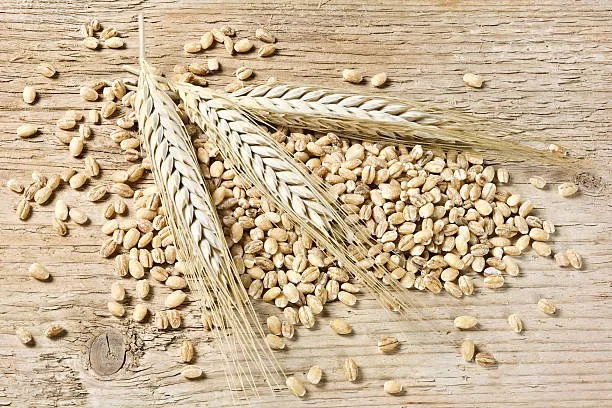
Preparation
Whisky production begins with selecting grains, water, and yeast, which form the foundation of flavor and character.
Key Insight: Grain choice has the biggest impact on a whisky’s base flavor before distillation or ageing begins.
Bourbon: At least 51% corn, creating a sweet, full-bodied base.
Scotch: Primarily malted barley; peat may be used for smoky notes.
Japanese: Malted barley with a strong focus on water purity and balance.
Australian: Flexible grain choices, often emphasizing local and experimental inputs.
-
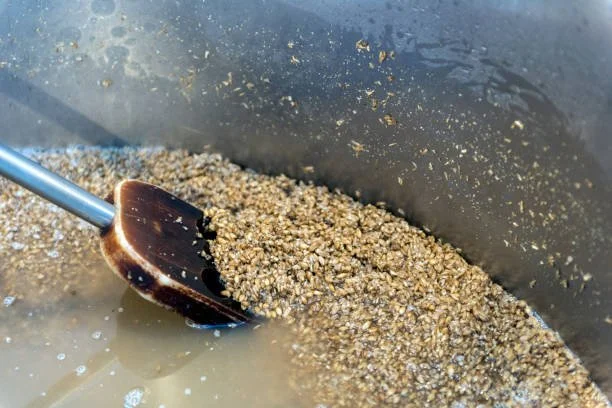
Mashing
Mashing mixes ground grain with hot water to convert starches into fermentable sugars.
Why It Matters: Efficient mashing determines how much alcohol can be produced and influences mouthfeel.
Bourbon: Cooked mash, often using the sour mash method.
Scotch: Infusion mashing with multiple water extractions.
Japanese: Similar to Scotch, with precise temperature control.
Australian: Combines traditional and craft brewing techniques.
-
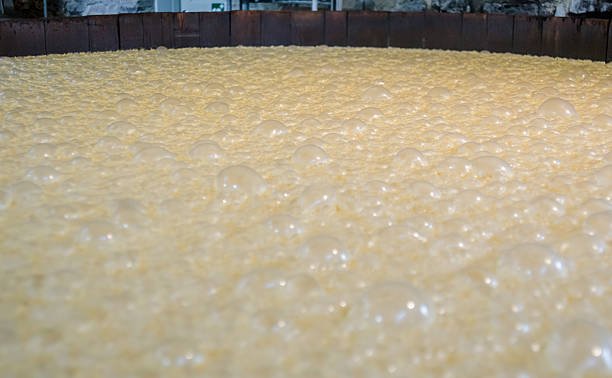
Fermenting
During fermentation, yeast converts sugars into alcohol while creating flavor compounds.
Flavour Builder: Many fruity, floral, and spicy notes are created during fermentation—not distillation.
Bourbon: Shorter fermentations that produce bold, robust flavors.
Scotch: Longer fermentations, resulting in fruity and complex notes.
Japanese: Carefully managed fermentations for smoothness and balance.
Australian: Warm climate often accelerates fermentation; experimental yeasts are common.
-
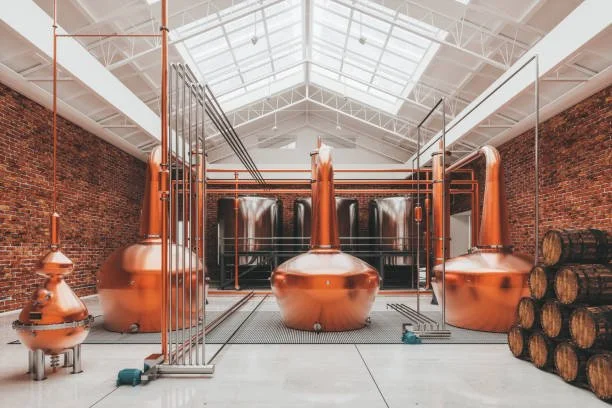
Distilling
Distillation heats the fermented liquid to separate and concentrate alcohol and flavor.
Still Shape Matters: The size and shape of a still directly influence the weight and texture of the spirit.
Bourbon: Typically distilled in column stills, often with a doubler.
Scotch: Copper pot stills, usually double distilled.
Japanese: A variety of pot still shapes to create diverse spirit styles.
Australian: Both pot and column stills, often in small batches.
-
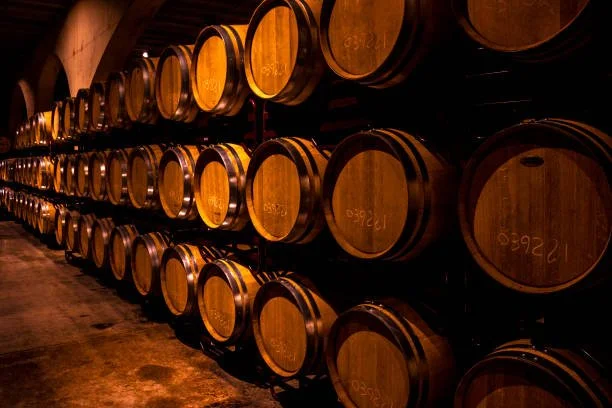
Ageing
Ageing allows whisky to mature in wooden barrels, developing color, aroma, and depth.
Most Flavor Comes From Ageing: Up to 70% of a whisky’s final flavor can come from the barrel.
Bourbon: Aged in new, charred American oak barrels for rich vanilla and caramel notes.
Scotch: Matured in used oak barrels, leading to slower, subtler flavour development. Minimum 3 Years
Japanese: Uses varied wooden casks, including Mizunara oak, to enhance complexity. Minimum 3 Years
Australian: Hot climates accelerate aging, producing intense, wood-driven flavors. Minimum 2 Years
-
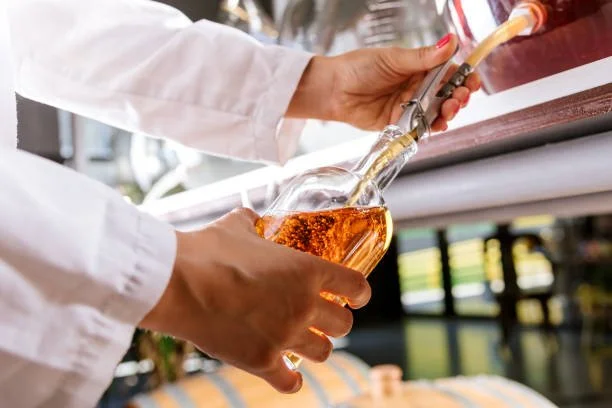
Bottling
Before release, whisky may be filtered, diluted, and bottled to its final strength.
Final Touch: Bottling decisions affect clarity, texture, and perceived smoothness.
Bourbon: Often bottled at higher strengths with chill filtration. Minimum 40% ABV
Scotch: Bottled at regulated strengths; sometimes non-chill filtered. Minimum 40% ABV
Japanese: Emphasis on balance and approachability. Minimum 40% ABV
Australian: Frequently bottled at cask strength with minimal processing. Minimum 37.5% ABV
What really sets whiskies apart isn’t the process itself, but the rules and traditions behind them.
Bourbon leans sweet thanks to its corn base and new charred oak barrels, Scotch is shaped by malted barley and time spent ageing in Scotland, Japanese whisky focuses on balance and precision, and Australian whisky stands out for its bold, creative approach influenced by climate.